Pokémon Ichiban Kuji D Prize Ceramic Mug

A Prize from Japan’s Ichiban Kuji Lottery
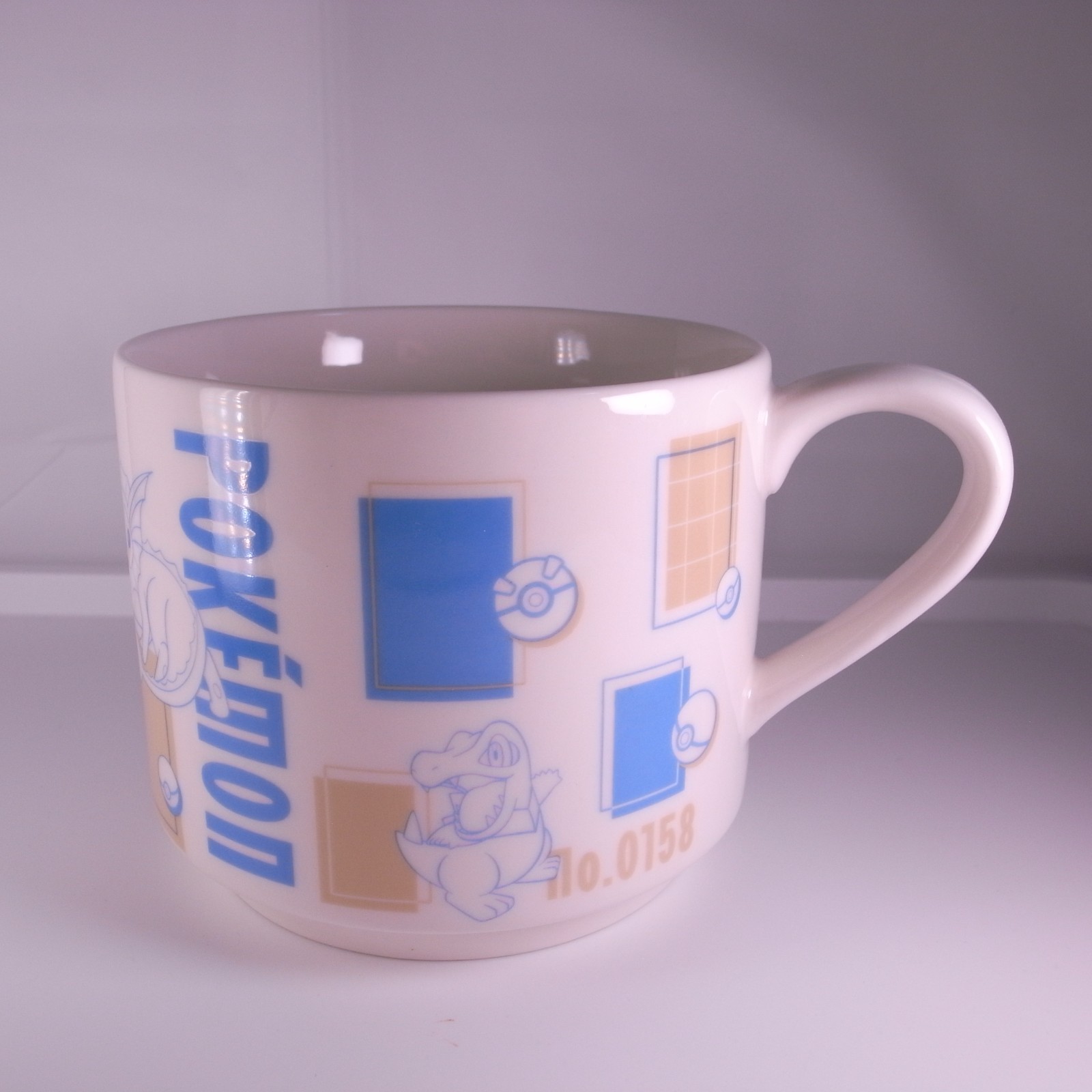
This cream-colored ceramic mug — decorated with Pokémon character illustrations, a vertical “POKÉMON” logo, and Poké Ball motifs — is a D Prize item from Ichiban Kuji, a lottery-style collectible program run by Bandai Spirits. The system guarantees every ticket holder a prize, with no blanks. Items are tiered from A at the top — typically a large figure — down through progressively more plentiful grades; D Prize sits in the mid-to-lower range, appearing in higher quantities per campaign than the flagship awards but still part of the same officially licensed release. Campaigns distribute through convenience stores like Lawson and FamilyMart and hobby retailers, exclusively within Japan, for a fixed window. Once a campaign closes, the goods leave normal retail entirely.
First- and Second-Generation Pokémon on One Mug
The listing names three first-generation Pokémon: Blastoise (No. 009), Slowpoke (No. 079), and Magikarp (No. 129), all from the Kanto region introduced in Pocket Monsters Red and Green in 1996. Blastoise is the final evolution of Squirtle, one of the original three starter Pokémon and among the most recognized figures of that era. Slowpoke and Magikarp each built distinct fan identities — Slowpoke for its famously unhurried nature, Magikarp for being the franchise’s most notorious underperformer, yet an enduring icon.
The product image also shows Totodile (No. 0158), a second-generation Water-type starter from the Johto region, first introduced in Pocket Monsters Gold and Silver in 1999. That discrepancy between the listing title and the image reflects how Ichiban Kuji prize tiers often work: a single grade frequently contains multiple design variants, and this entry likely covers more than one mug. The four-digit number format applied to Totodile — No. 0158 — was standardized following the 2022 release of Pokémon Legends: Arceus, suggesting the campaign dates from 2022 onward, though that remains unconfirmed.
Why This Format Resonates with Collectors Outside Japan
Pokémon began in 1996 and expanded into one of the most wide-reaching entertainment franchises ever produced. Its first two generations — Kanto and Johto — occupy a central place in fan culture globally, representing the years when the franchise first reached most of its audience. Characters like Blastoise, Slowpoke, Magikarp, and Totodile have appeared continuously across games, anime, and merchandise for nearly three decades, giving them a sustained recognition that newer Pokémon don’t always share.
A ceramic mug occupies a practical niche within Japanese character goods. Unlike display-only figures, a mug can be used daily or shown on a shelf — making it accessible to collectors at different levels of involvement with the hobby. Because Ichiban Kuji campaigns are sold exclusively in Japan and only during their active run, any item from the system carries the straightforward fact that it was never part of international retail distribution.


Found in Japan, packed by hand, sent worldwide
$14.07
Worldwide delivery from Japan • See the listing for condition and size