A Dragon Ball Ichiban Kuji Acrylic Stand Featuring Young Goku and Master Roshi

What This Item Is and How Ichiban Kuji Works
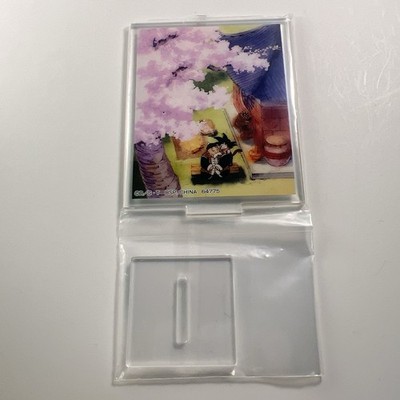
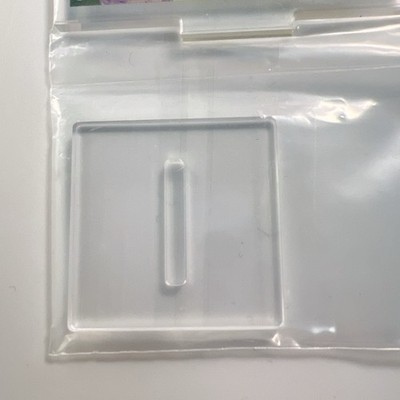
This is a two-piece acrylic stand — a printed acrylic panel paired with a slotted transparent base for desktop display — produced by Bandai Spirits, a subsidiary of Bandai Namco Holdings and one of Japan’s leading manufacturers of figures and prize merchandise.
The item was distributed as a prize in an Ichiban Kuji run, a format distinct from gashapon capsule machines and food toys. Ichiban Kuji operates as a tiered lottery through convenience stores such as Lawson and FamilyMart, as well as bookstores and anime retailers across Japan. Participants pay a set price per draw and receive one of the prizes in a given lot, which are ranked from A Prize down to a Last One Prize awarded on the final ticket pulled. Acrylic stands appear at various tiers depending on the specific release. Once a run’s retail window closes, the items leave normal distribution. The copyright notice printed on the base — abbreviated ©B.S./S.,T. — identifies the three rights holders: Bird Studio (Akira Toriyama’s production studio), Shueisha, and Toei Animation.
Dragon Ball’s Early Era, Captured in One Artwork
Dragon Ball began as a manga by Akira Toriyama, serialized in Shueisha’s Weekly Shonen Jump from 1984 to 1995 and collected into 42 volumes. Toei Animation adapted it into television series starting in 1986, continuing through Dragon Ball Z (1989–1996) and later Dragon Ball Super (2015–2018). The franchise has aired in more than 50 countries.
The artwork on this stand depicts young Son Goku — the tail-wearing, orange-gi version from the story’s earliest chapters — alongside Kame-Sen’nin, known internationally as Master Roshi: the eccentric, turtle-shell-bearing martial arts master who serves as Goku’s first teacher and lives in the remote Kame House. The two are shown sharing a meal outdoors, framed by cherry blossom-like trees and traditional Japanese architecture. The scene belongs firmly to the comedic, slice-of-life register of the original Dragon Ball — well before the escalating battle arcs that define the Z era.
What the Original Series Means to Dragon Ball Fans
For many followers of the franchise, original Dragon Ball and Dragon Ball Z represent two genuinely different experiences. Z is driven by world-ending stakes and power-scaling battles; the earlier series followed young Goku through martial arts training and adventure, with humor and everyday moments woven throughout. Artwork rooted in that first era tends to resonate with a distinct part of the audience.
The pairing of young Goku and Master Roshi in a peaceful outdoor setting draws directly from the manga’s 1984–1989 chapters. Roshi is a central presence in this period and fades in later arcs, so merchandise placing him alongside early Goku carries particular appeal for fans who came to the franchise at its origins rather than through Z.
Because Ichiban Kuji prizes are distributed exclusively through Japan’s domestic retail network, they are not officially available in international markets. Export from Japan is the primary route through which overseas collectors acquire specific lots and prizes.




Boxed and cushioned for the trip from Japan
$11.96
International shipping available • Ask us anything before you buy